BLOG
Technical Insights for Industrial Energy Systems.
Technical articles, project lessons, and industry perspectives from engineers who spend their days solving real problems in real facilities.
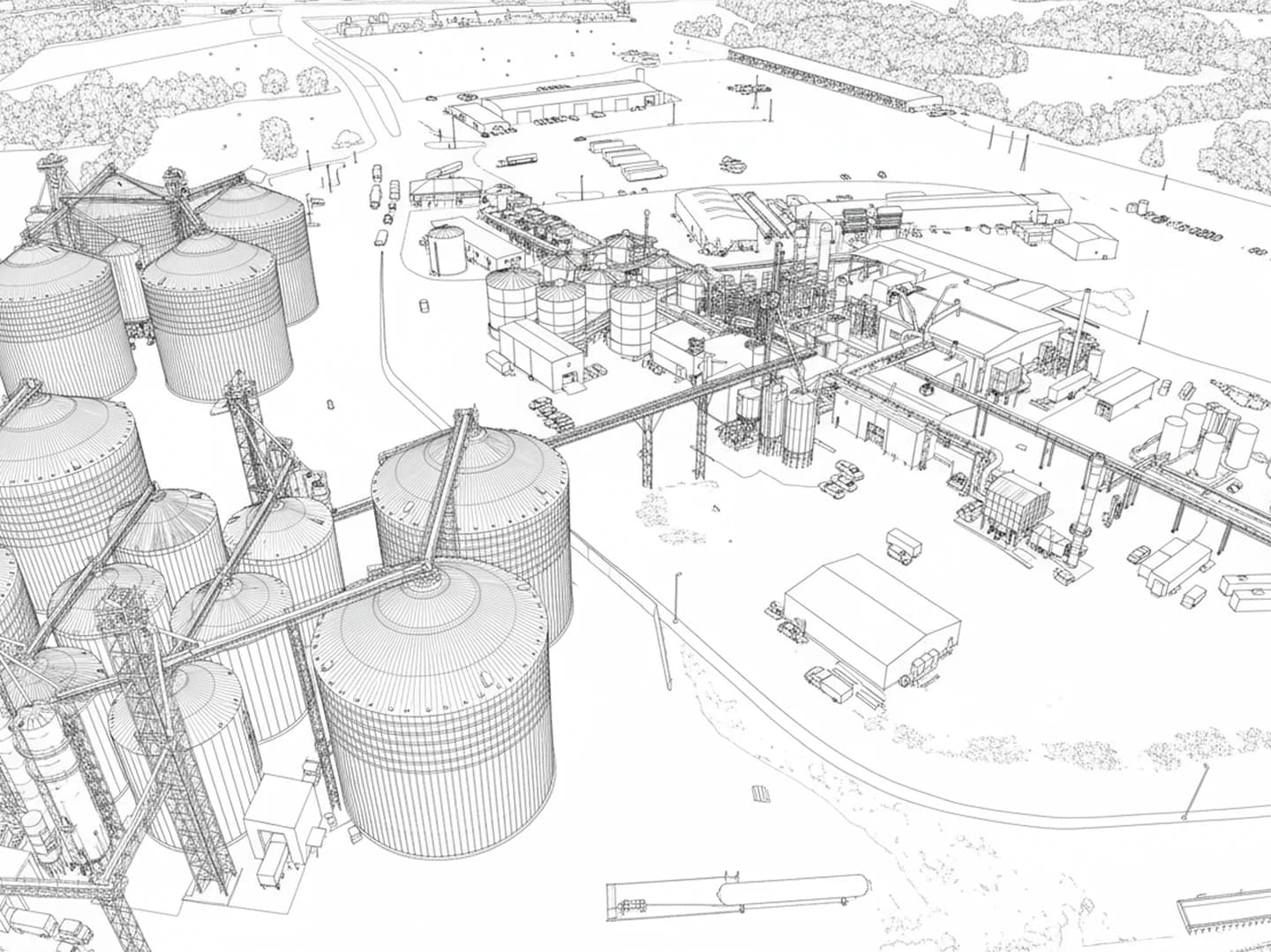
AI and the Future of Engineering Consulting
There is a lot of noise about AI potentially replacing engineers, but the reality is much more nuanced. Perspectives from CPE's founder on how AI automation will actually impact the consulting and design engineering sector - and how it already is.
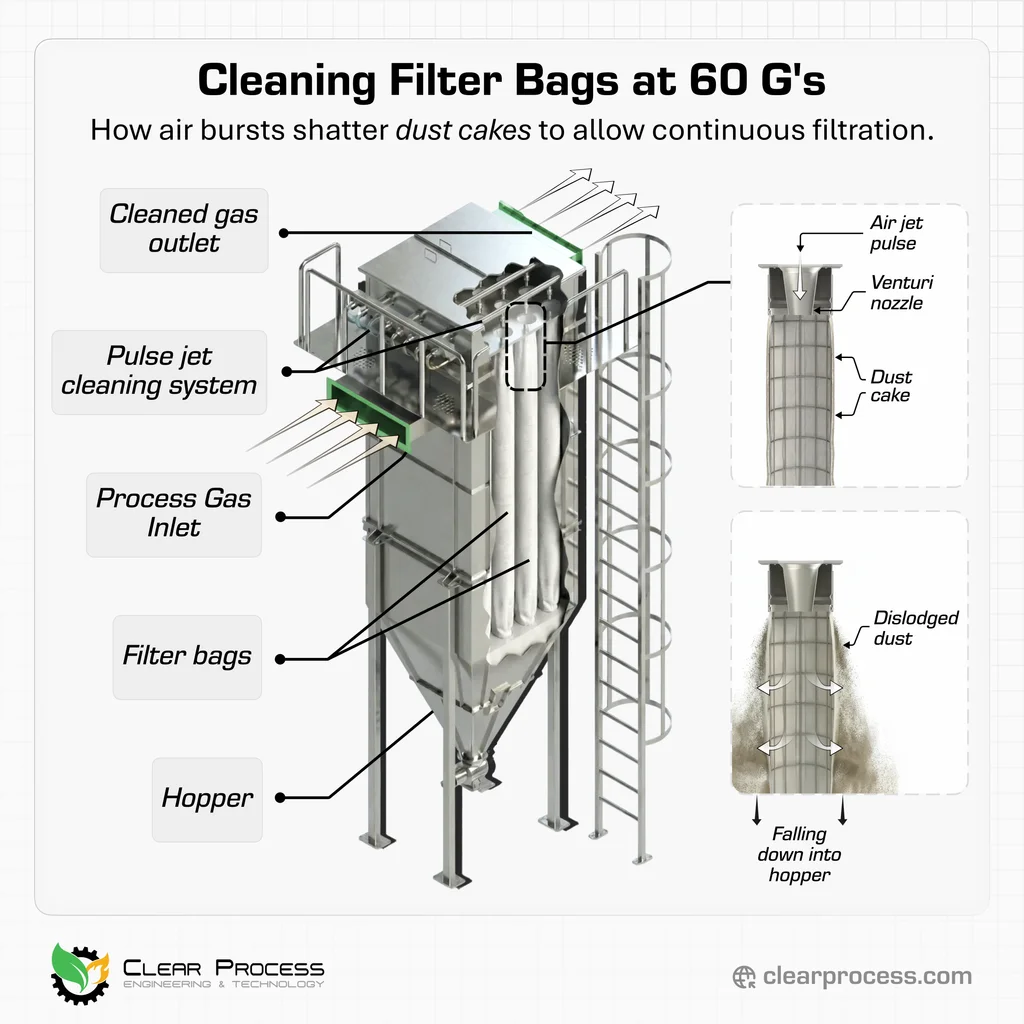
Pulse-Jet Baghouses: How They Work and When to Choose One Over an ESP
High-resistivity dust, strict PM2.5 limits, and dry sorbent injection are the three common reasons baghouses get specified over ESPs. Here is how the pulse-jet cleaning cycle works - and the failure modes that take these systems down.
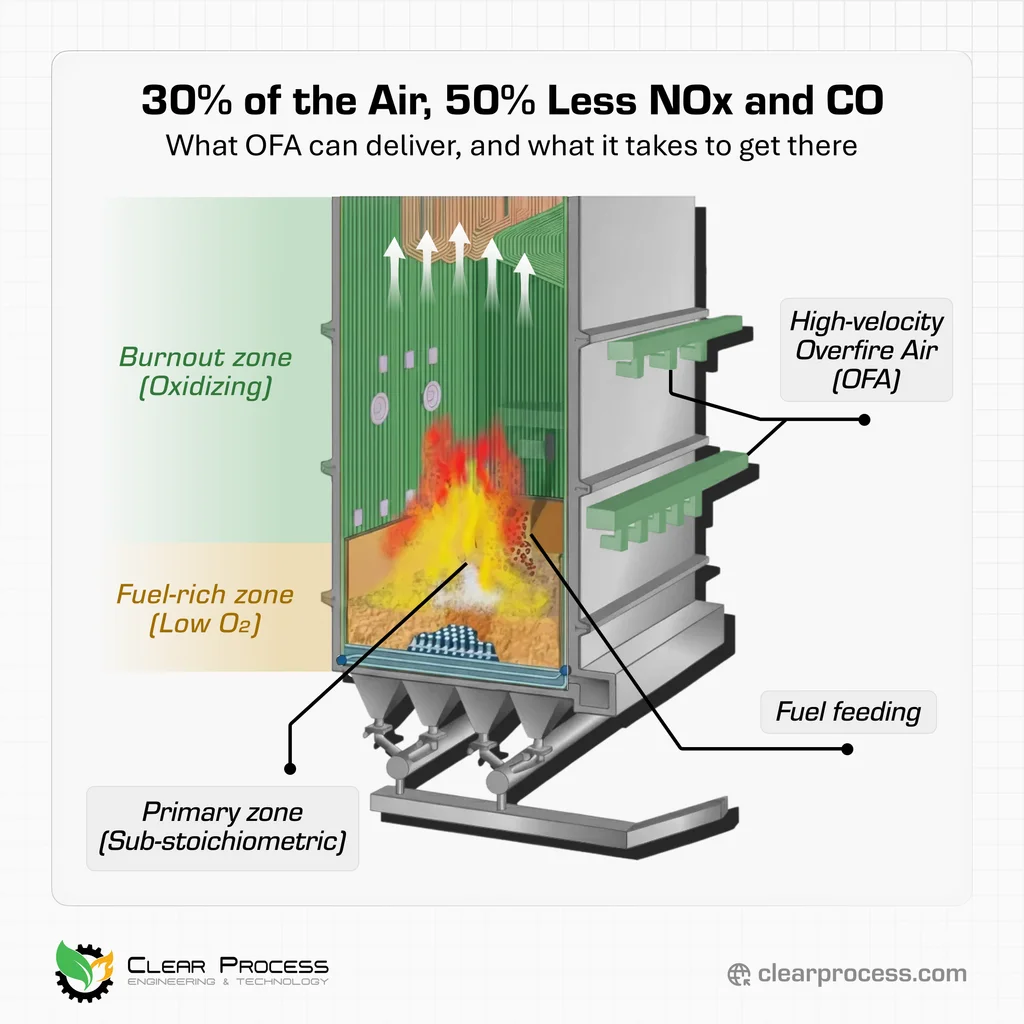
Overfire Air Systems: 30% of the Air, 50% Less NOx
Reducing NOx usually comes with a penalty: higher unburned carbon and CO. A well-designed Overfire Air (OFA) system uses staged combustion to break that trade-off.
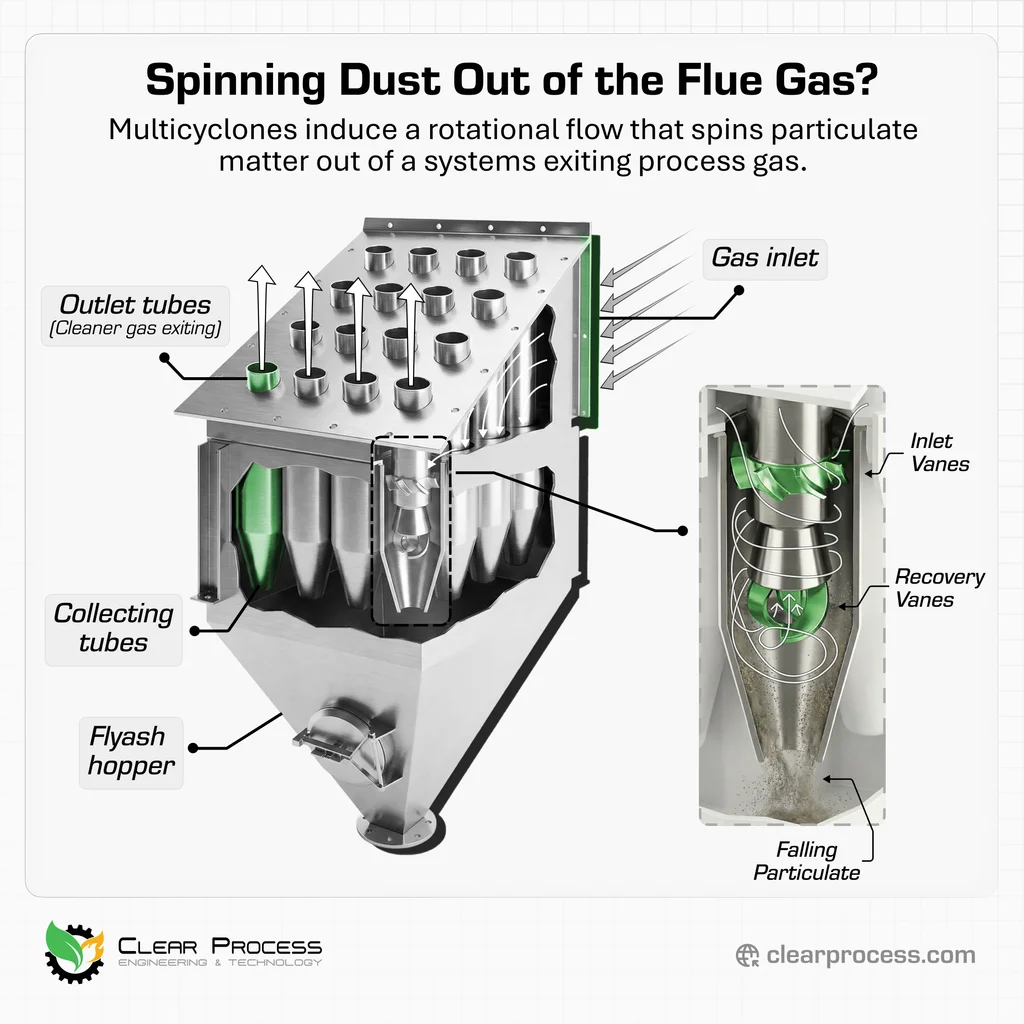
Multicyclone Dust Collectors: The Unsung Workhorse of Particulate Control
It has no moving parts, uses no electricity, and is often the only thing standing between abrasive fly ash and your ID fan. Here is how the multicyclone works - and what happens when it fails.
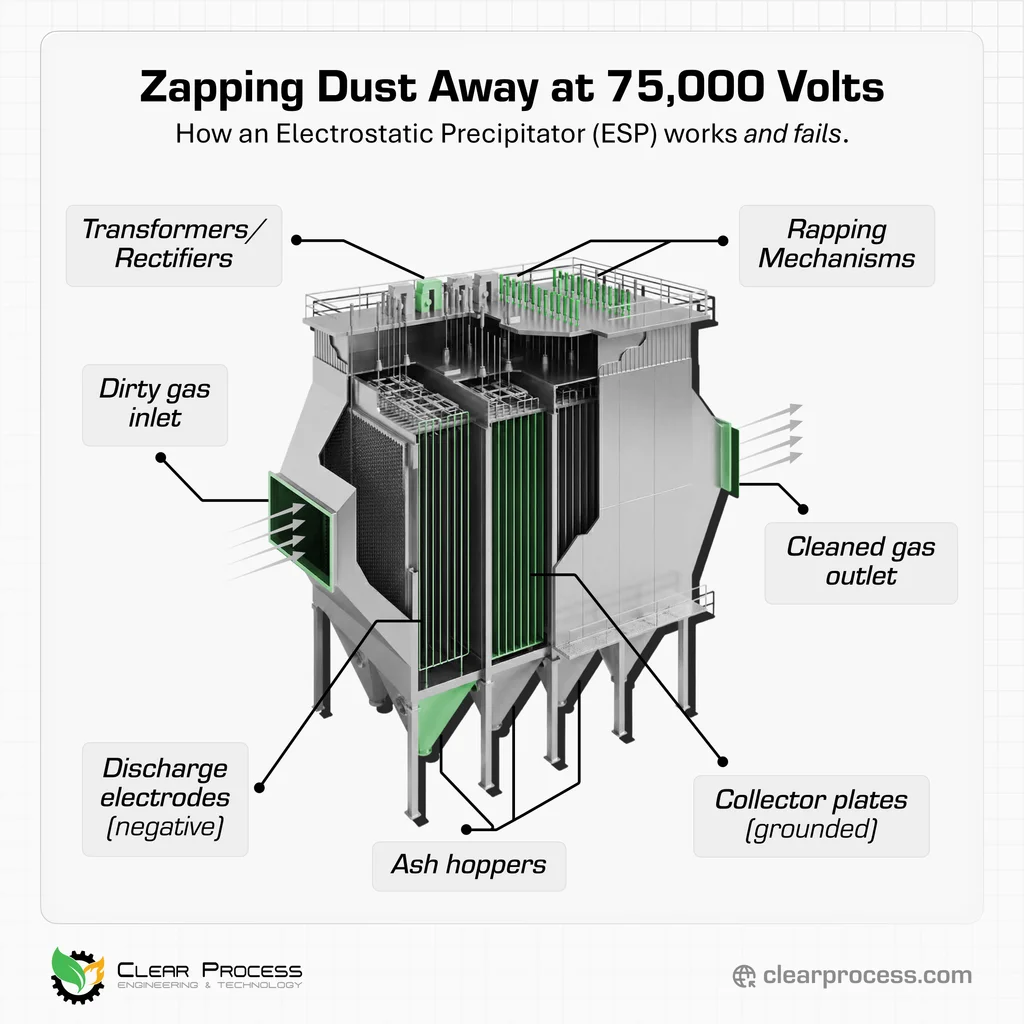
Electrostatic Precipitators: How ESPs Work and Why They Fail
No filters to replace, pressure drop 5-10x lower than a baghouse, and collection efficiencies above 99% when properly maintained. Here is how ESPs remove particulate from flue gas - and the failure modes to watch for.
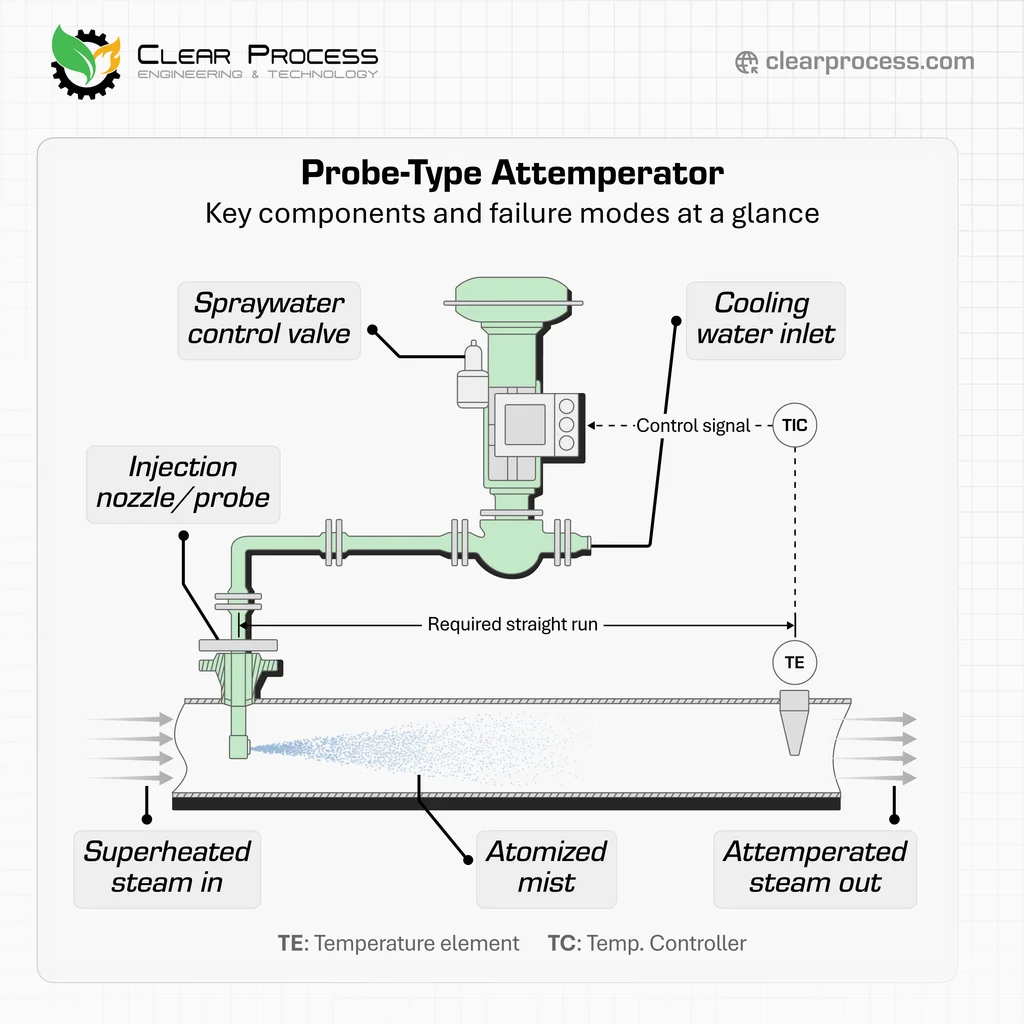
Steam Attemperators: How They Work and Common Failure Modes
Superheat is essential for turbine efficiency - but too much destroys downstream equipment. Here is how attemperators control steam temperature, and the failure modes that cause the most damage.
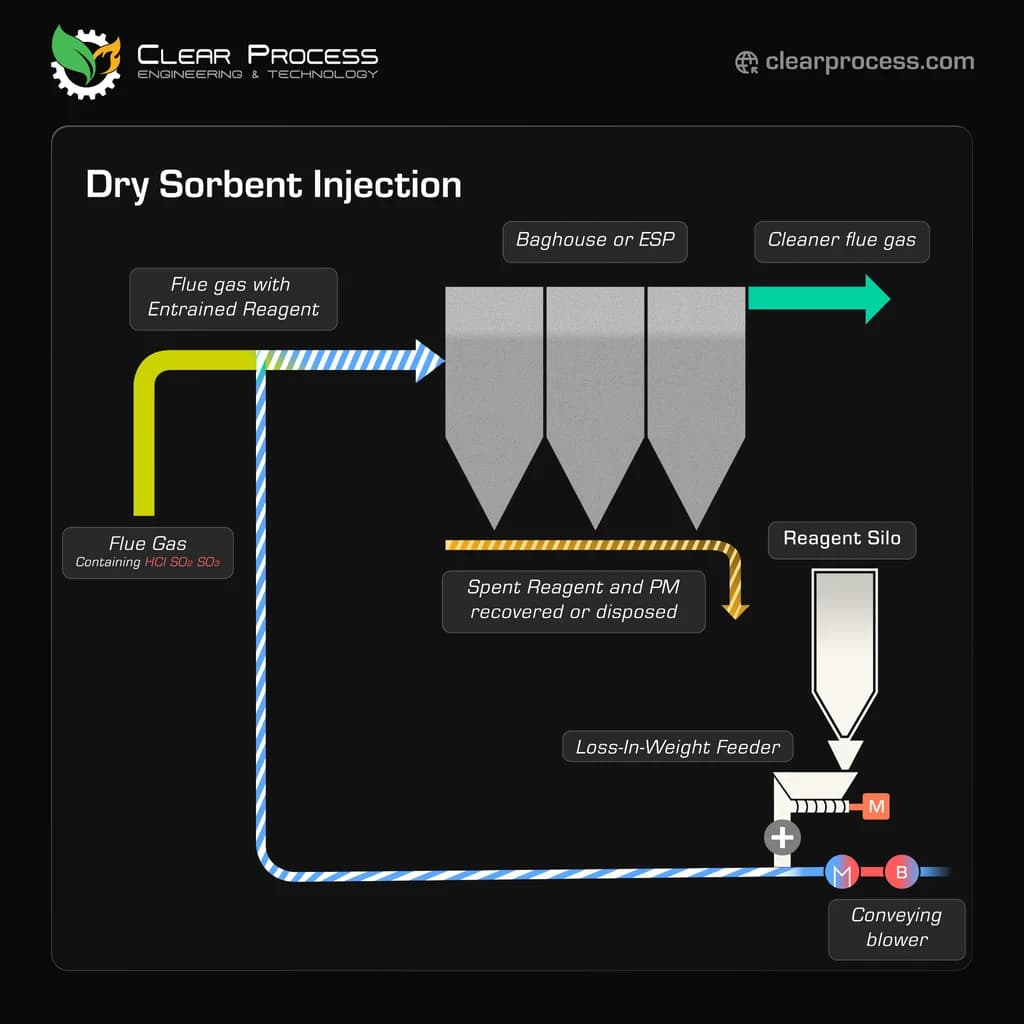
Dry Sorbent Injection: How DSI Systems Control Acid Gas Emissions
Improper conveying air temperature control doesn't just reduce efficiency - it cements reagent to the pipe walls. Here is how DSI systems work, and the factors that determine whether yours runs smoothly or becomes a maintenance nightmare.
Steam Trap Failure Modes: The Production Gains Hiding in Your Steam System
Failed and improperly sized steam traps are a leading contributor to condensate leaks, lost efficiency, and failed piping. Here are the three most common failure modes and what to do about them.
Have a technical challenge?
Tell us about your challenge and we will let you know how CPE can help.