Fuel In. Steam Out.
Everything Between.
CPE commands a deep range of combustion and boiler technologies and sources fabrication and equipment through a diverse domestic and international supply chain matched to each project's location - engineering every system from first principles, not catalog designs, without the overhead of a centralized manufacturing facility.
TECHNOLOGIES
Boiler Types
Complete boiler island engineering across stoker, fluidized bed, and package boilers
A stoker-fired watertube boiler burns solid fuel on a fixed or dynamic grate inside a water-cooled furnace. Fuel is spread across the grate surface, and combustion air is delivered from below (undergrate) and above (overfire) to control burn rate, emissions, and fuel burnout. Grate type, air zone configuration, and furnace geometry are selected based on the fuel's moisture content, particle size, and ash characteristics. Stoker boilers are the most common configuration for biomass-fired steam generation in industrial applications.
Scope of supply
- Traveling grate configurations
- Fixed, water-cooled, pinhole grate configurations
- Vibrating grate configurations (air- and water-cooled)
- Reciprocating grate configurations (air-cooled)
- Biomass fuels: bagasse, wood waste, agricultural residues, construction debris
- Proprietary grate and combustion air system designs
- Complete boiler packages with capacities to 550,000 lb/hr
- Natural circulation
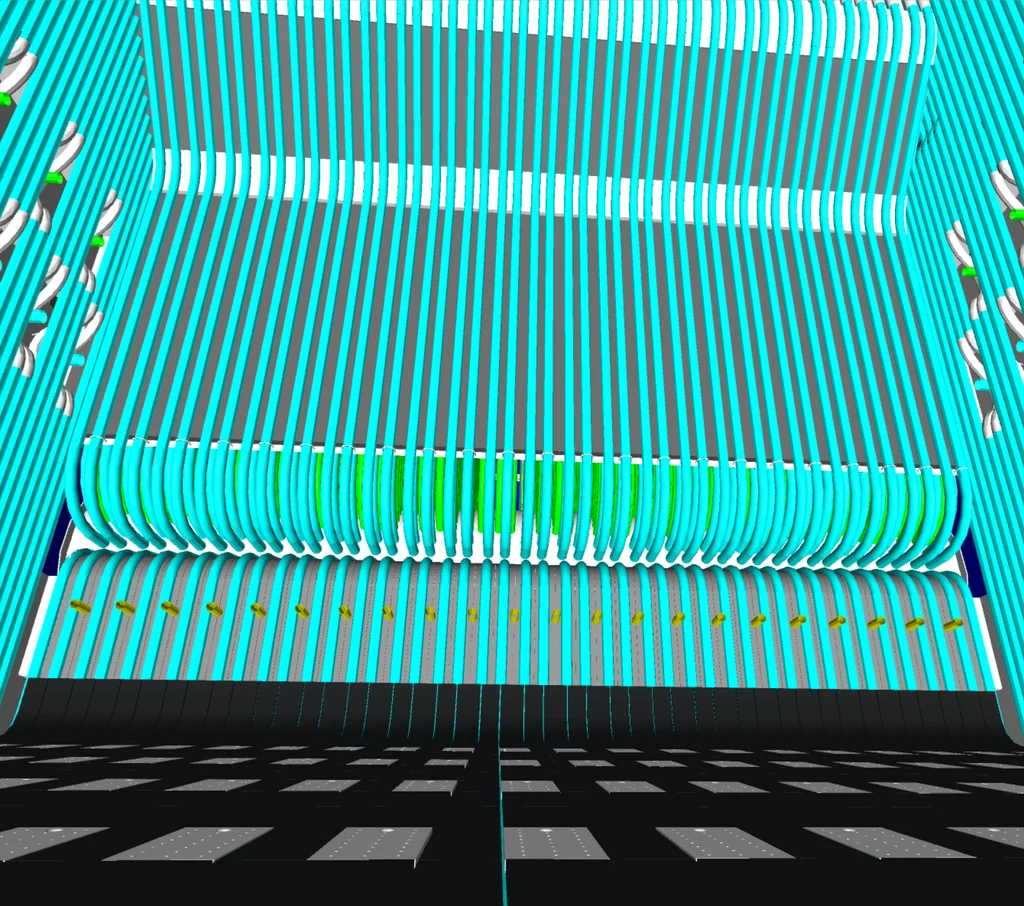
BFBs provide a turbulent, fluidized bed that is greater than 95% inert material which acts as a thermal "flywheel" and allows for a wide range of moisture contents to be introduced with very little impact on the boiler output, steam temperature, and emissions. BFBs are simpler and cost less than CFBs. The peak and average temperatures in BFBs are lower than stokers, but higher than CFBs. As such, BFBs have lower inherent NOx generation than stokers. The bed can also be used for sulfur capture by introduction of limestone. Proven bed additives can be introduced to thwart low ash fusion effects on the bed material.
Scope of supply
- BFB combustor design: bubble cap and sparge pipe layout
- Bed sulfur capture design
- Bed temperature control without in-bed surface or high excess air
- Bed handling and recycle system design
- Multi-fuel capability: waste-derived fuels, high-moisture biomass, opportunity fuels
- Complete boiler packages with capacities to 550,000 lb/hr
- Natural circulation
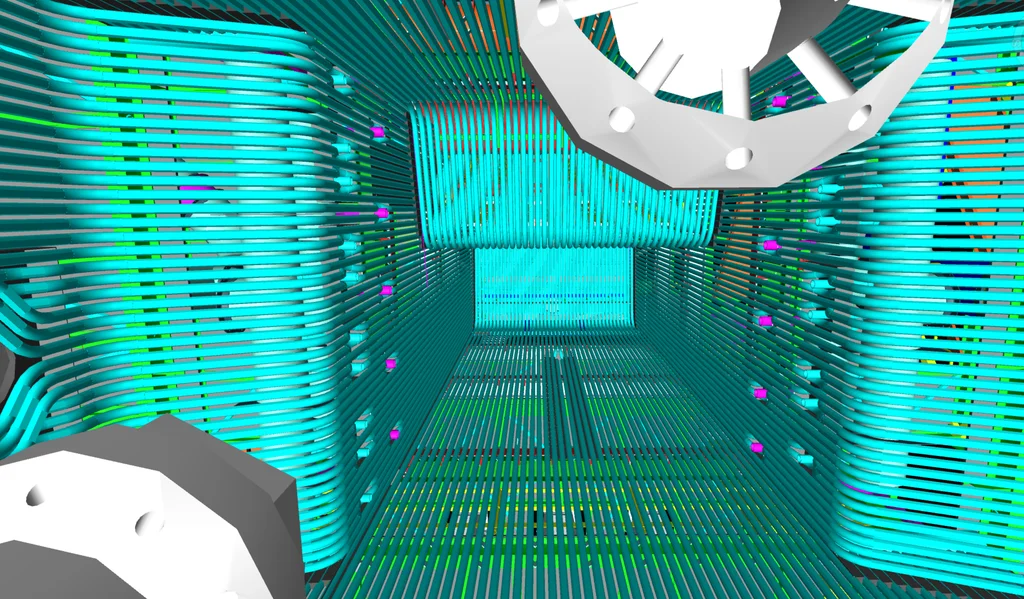
Fluidized bed boilers suspend fuel and inert bed material in an upward stream of air, creating a turbulent, well-mixed combustion zone. Higher velocities carry solids through the furnace and into a cyclone separator, where they are captured and returned through a fluidized loop seal. Fluidized bed combustion produces lower, uniform temperatures and lower NOx formation compared to grate-fired systems, reducing or eliminating the need for post-combustion NOx controls in some applications.
Scope of supply
- CFB combustor design: cyclone separator sizing, loop seal configuration
- Refractory-lined or water-cooled cyclone(s)
- Bed depth and material particle size distribution selection
- Fuel feed point locations and quantity
- Bed handling and recycle system design
- Multi-fuel capability: waste-derived fuels, high-moisture biomass, opportunity fuels
- Complete boiler packages with capacities to 800,000 lb/hr
- Natural circulation
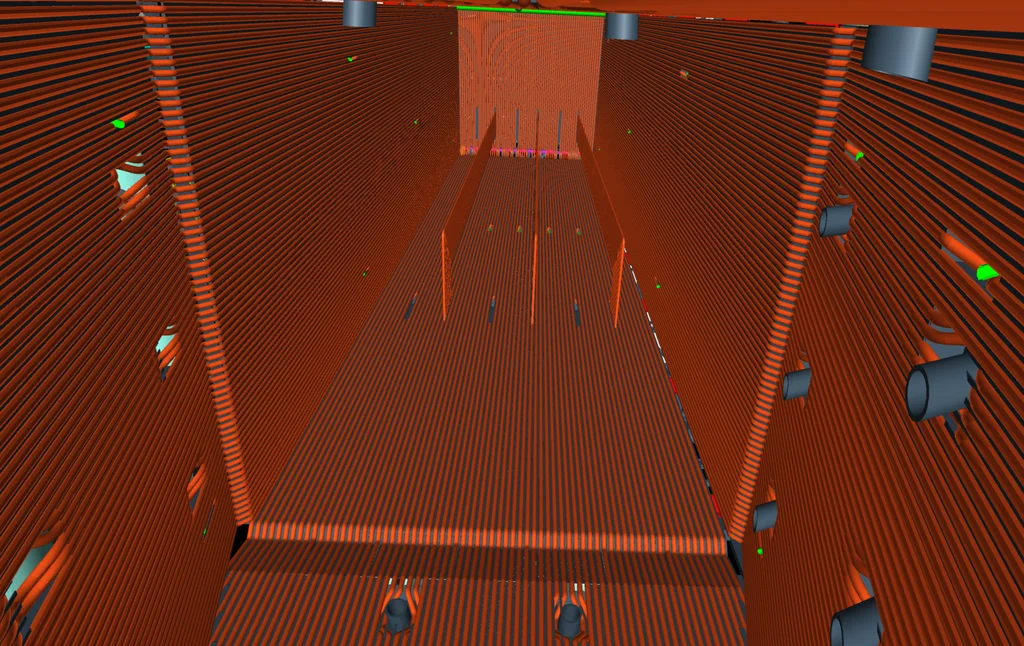
Package boilers are factory-assembled watertube or firetube units designed for industrial process steam. Units arrive on-site largely pre-assembled, with minimal field erection required. Typical applications include process heating, sterilization, and auxiliary steam supply. These units are designed for natural gas, biogas, and light oil service, often with dual-fuel capability and low-NOx burner systems to meet air quality requirements.
Scope of supply
- Package watertube and firetube configurations - saturated or superheated
- Low-NOx burner systems
- Multi-fuel capability: natural gas, biogas, light oil
- Custom capacities from small plant auxiliary loads to large-scale process demands - up to 150,000 lb/hr
- NOx and acid-gas control systems available
- Natural circulation

A heat recovery steam generator (HRSG) captures waste heat from a gas turbine, engine, or process exhaust stream and uses it to produce steam. Each HRSG is a custom design, sized to the exhaust gas temperature, flow rate, and composition of the source. Applications include combined cycle power plants, cogeneration systems, and industrial waste heat recovery where process exhaust carries recoverable thermal energy.
Scope of supply
- Waste heat recovery from gas turbines, kilns, and process exhaust
- Natural or forced circulation
- Evaporator, superheater, and economizer section arrangement
- Single- or multi-pressure configurations
- Full gas flow analysis - low pressure drop
- Combined cycle and cogeneration system integration
- Vertical or horizontal gas flow
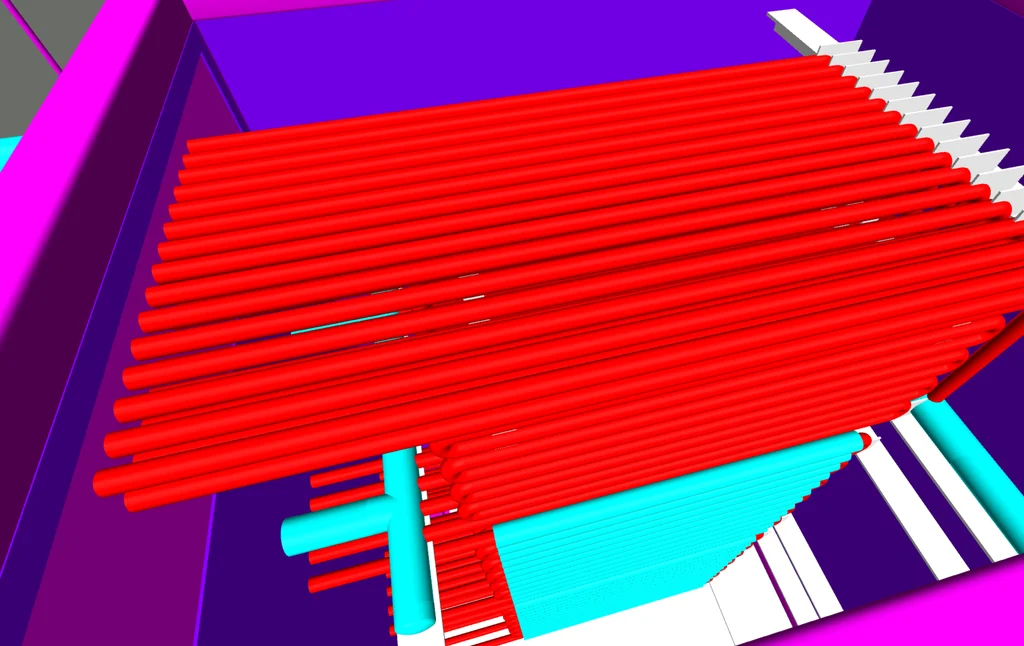
A stoker-fired watertube boiler burns solid fuel on a fixed or dynamic grate inside a water-cooled furnace. Fuel is spread across the grate surface, and combustion air is delivered from below (undergrate) and above (overfire) to control burn rate, emissions, and fuel burnout. Grate type, air zone configuration, and furnace geometry are selected based on the fuel's moisture content, particle size, and ash characteristics. Stoker boilers are the most common configuration for biomass-fired steam generation in industrial applications.
Scope of supply
- Traveling grate configurations
- Fixed, water-cooled, pinhole grate configurations
- Vibrating grate configurations (air- and water-cooled)
- Reciprocating grate configurations (air-cooled)
- Biomass fuels: bagasse, wood waste, agricultural residues, construction debris
- Proprietary grate and combustion air system designs
- Complete boiler packages with capacities to 550,000 lb/hr
- Natural circulation
BFBs provide a turbulent, fluidized bed that is greater than 95% inert material which acts as a thermal "flywheel" and allows for a wide range of moisture contents to be introduced with very little impact on the boiler output, steam temperature, and emissions. BFBs are simpler and cost less than CFBs. The peak and average temperatures in BFBs are lower than stokers, but higher than CFBs. As such, BFBs have lower inherent NOx generation than stokers. The bed can also be used for sulfur capture by introduction of limestone. Proven bed additives can be introduced to thwart low ash fusion effects on the bed material.
Scope of supply
- BFB combustor design: bubble cap and sparge pipe layout
- Bed sulfur capture design
- Bed temperature control without in-bed surface or high excess air
- Bed handling and recycle system design
- Multi-fuel capability: waste-derived fuels, high-moisture biomass, opportunity fuels
- Complete boiler packages with capacities to 550,000 lb/hr
- Natural circulation
Fluidized bed boilers suspend fuel and inert bed material in an upward stream of air, creating a turbulent, well-mixed combustion zone. Higher velocities carry solids through the furnace and into a cyclone separator, where they are captured and returned through a fluidized loop seal. Fluidized bed combustion produces lower, uniform temperatures and lower NOx formation compared to grate-fired systems, reducing or eliminating the need for post-combustion NOx controls in some applications.
Scope of supply
- CFB combustor design: cyclone separator sizing, loop seal configuration
- Refractory-lined or water-cooled cyclone(s)
- Bed depth and material particle size distribution selection
- Fuel feed point locations and quantity
- Bed handling and recycle system design
- Multi-fuel capability: waste-derived fuels, high-moisture biomass, opportunity fuels
- Complete boiler packages with capacities to 800,000 lb/hr
- Natural circulation
Package boilers are factory-assembled watertube or firetube units designed for industrial process steam. Units arrive on-site largely pre-assembled, with minimal field erection required. Typical applications include process heating, sterilization, and auxiliary steam supply. These units are designed for natural gas, biogas, and light oil service, often with dual-fuel capability and low-NOx burner systems to meet air quality requirements.
Scope of supply
- Package watertube and firetube configurations - saturated or superheated
- Low-NOx burner systems
- Multi-fuel capability: natural gas, biogas, light oil
- Custom capacities from small plant auxiliary loads to large-scale process demands - up to 150,000 lb/hr
- NOx and acid-gas control systems available
- Natural circulation
A heat recovery steam generator (HRSG) captures waste heat from a gas turbine, engine, or process exhaust stream and uses it to produce steam. Each HRSG is a custom design, sized to the exhaust gas temperature, flow rate, and composition of the source. Applications include combined cycle power plants, cogeneration systems, and industrial waste heat recovery where process exhaust carries recoverable thermal energy.
Scope of supply
- Waste heat recovery from gas turbines, kilns, and process exhaust
- Natural or forced circulation
- Evaporator, superheater, and economizer section arrangement
- Single- or multi-pressure configurations
- Full gas flow analysis - low pressure drop
- Combined cycle and cogeneration system integration
- Vertical or horizontal gas flow
PROJECT EXAMPLES
Boiler engineering
project examples
Power Boilers
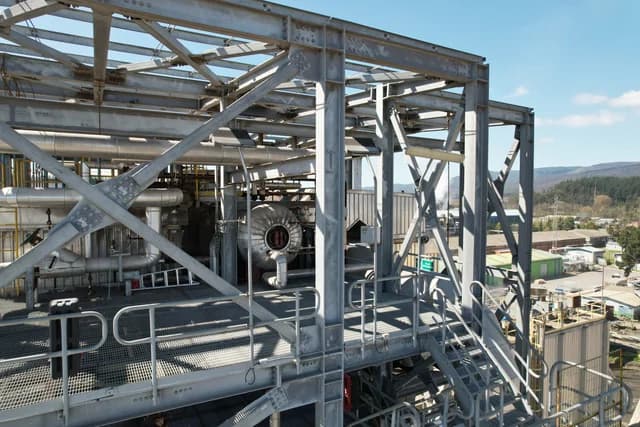
BFB boiler for high-moisture biomass - South America
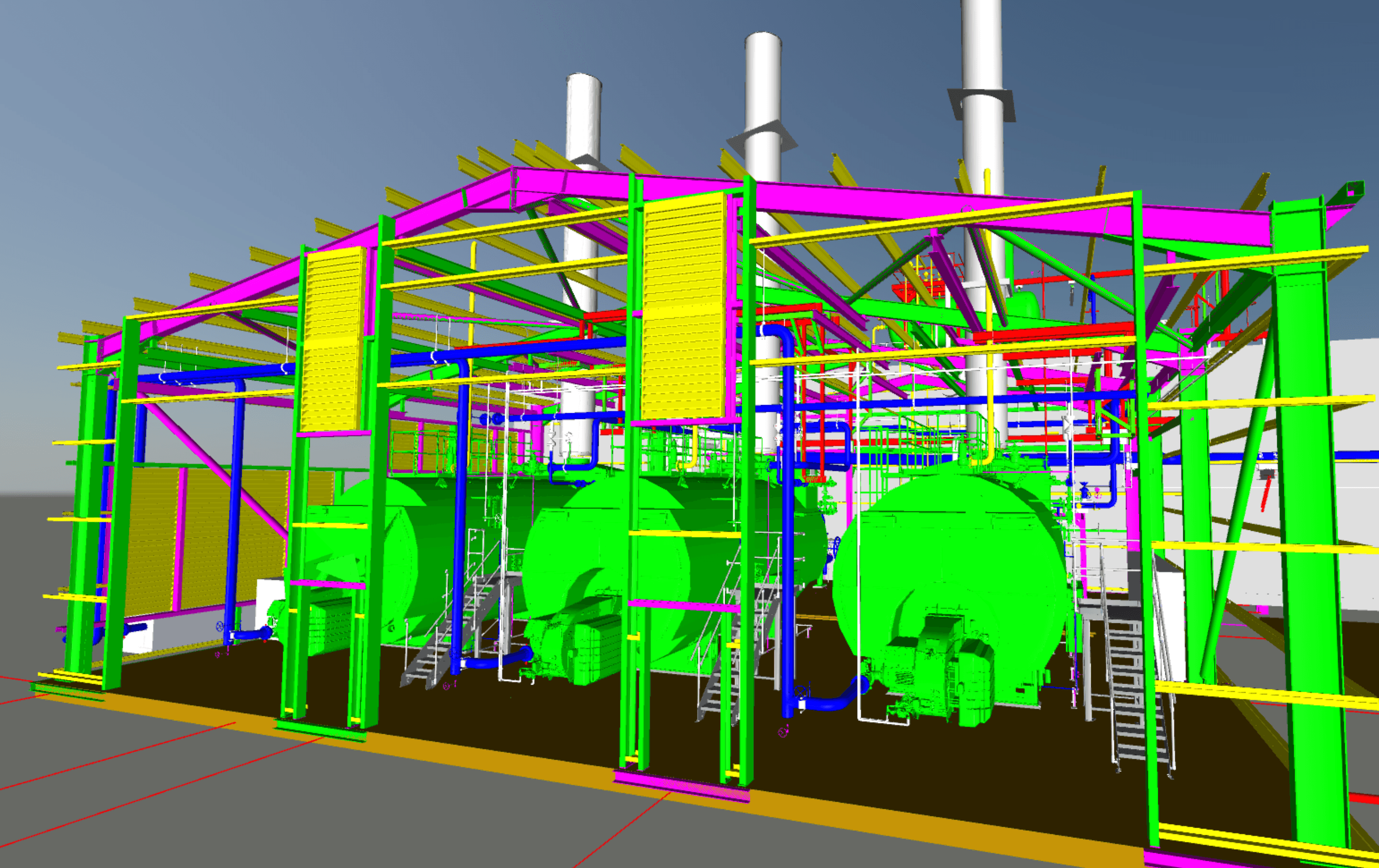
Complete BFB boiler design for a biomass facility in South America, handling high-moisture fuels with custom combustion and heat transfer engineering.
Debottlenecking
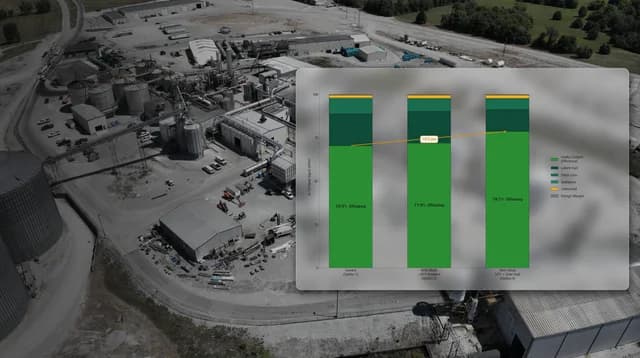
Biomass boiler capacity limits identified across 17 subsystems
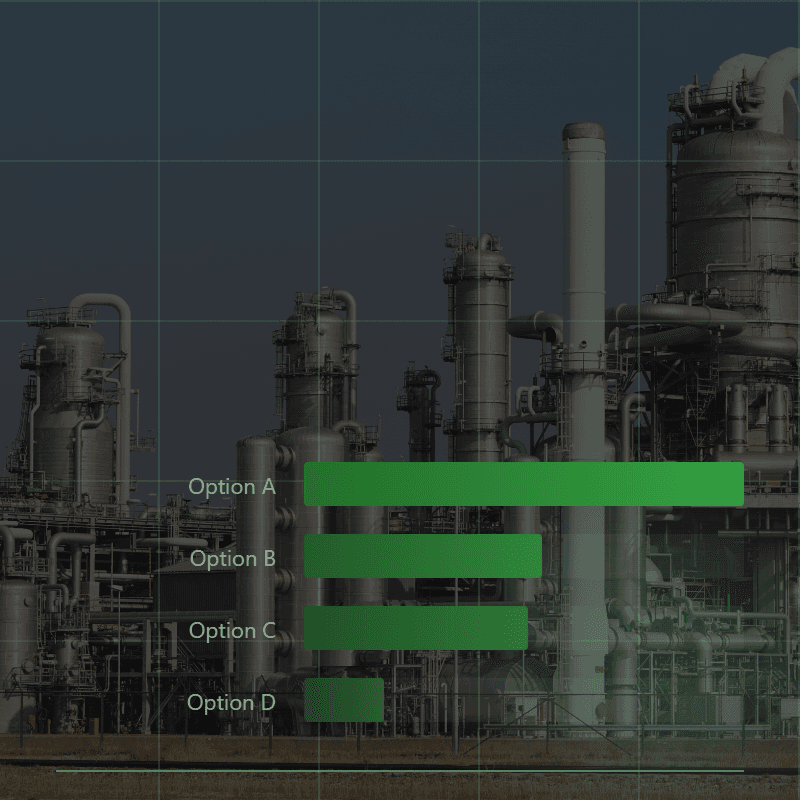
Component-level performance and capacity assessment of boiler, fans, ESP, fuel handling & metering, ash handling, economizer, air heater, multiclone and emissions controls systems. Boiler and appurtenant systems were modeled at existing and target conditions to identify bottlenecks and areas for improvement, required to achieve target conditions. Capital cost estimates were then provided for each option for determination of the best option to proceed with.
Energy Audits
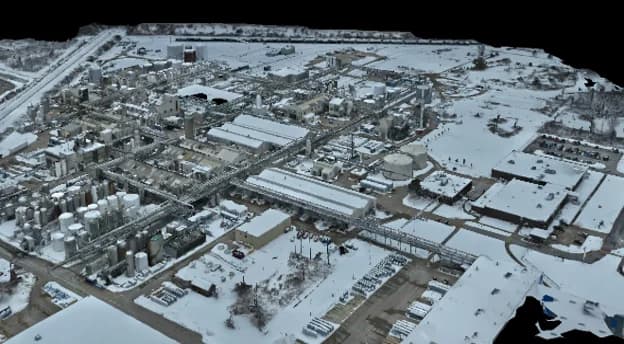
Comprehensive Energy Audit Identifies Major Fuel-Savings Opportunities at a Specialty Chemicals Plant
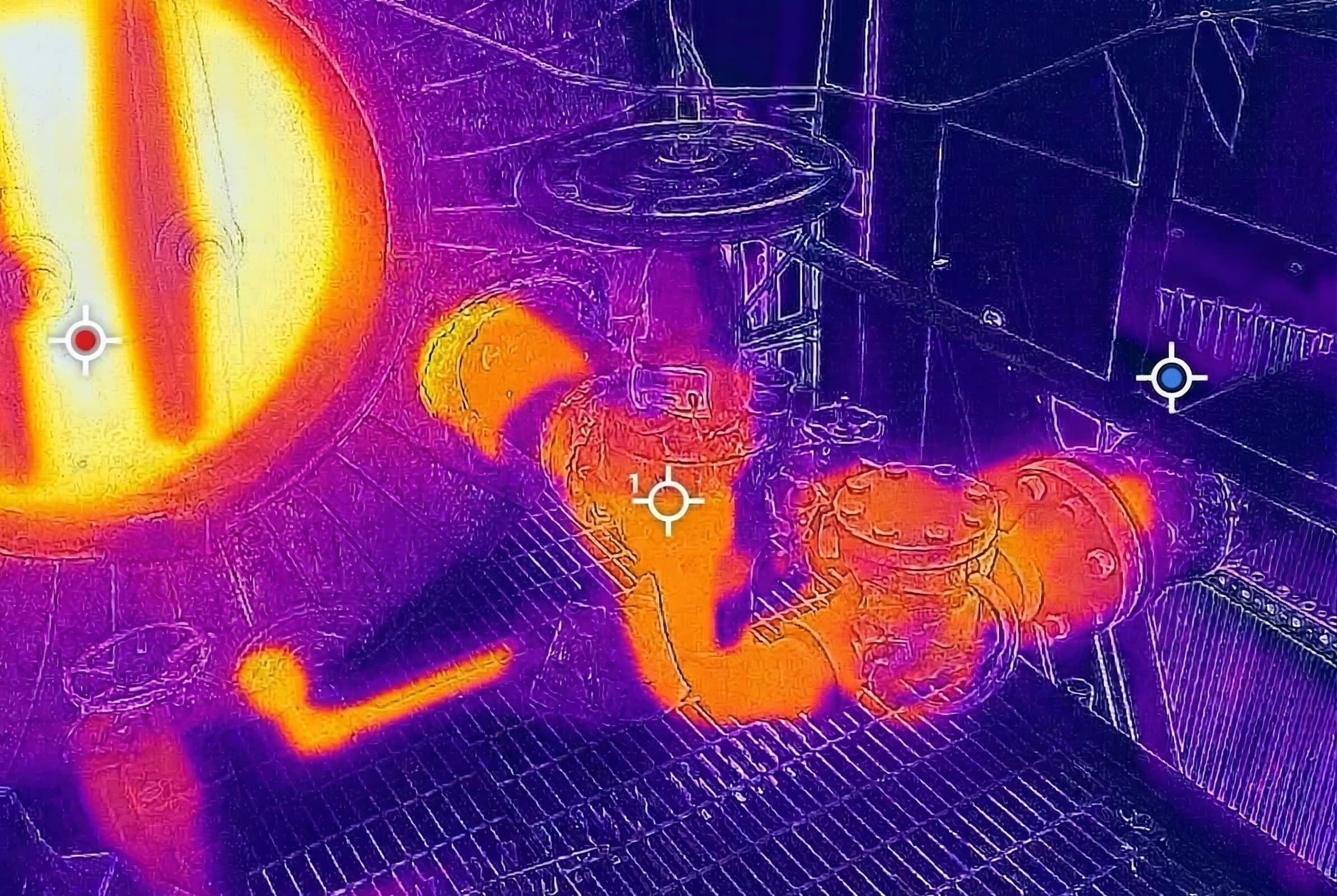
CPE evaluated interconnected boiler, steam, condensate, and waste heat systems at a specialty chemicals facility, identifying 17 MMBtu/hr in potential natural gas savings and developing actionable strategies for thermal-efficiency and GHG-reduction projects.
THE CPE DIFFERENCE
Engineers from the
Boiler OEM side
CPE was founded by engineers who came from boiler OEM engineering departments. That background means the team approaches every project with the depth that comes from having designed and built these systems - not just consulted on them.
OEM engineering roots
Founded by the core engineering team of a biomass boiler OEM. CPE’s approach to boiler design comes from building these systems as original equipment - not just consulting on them.
Fundamental design depth
Understanding how boiler components are designed at their fundamental levels - furnaces, drums, tube banks, grate systems - allows CPE to solve problems other firms cannot reach.
Every configuration and fuel
All solid fuel boiler types (stoker, BFB, CFB, suspension), firetube, HRSG, and recovery boilers. 60+ biomass fuels across six continents, from single-boiler audits to full EPCm packages.
Industry pedigree
Team members with backgrounds across Babcock & Wilcox, McBurney, FSE Energy, and Thermal Systems Engineering - bringing OEM, consulting, and operating perspectives to the work.
Have a boiler
question?
Tell us what you are working on and we will let you know how CPE can help.
OUR SERVICES
Engineering Depth Across the Project Lifecycle
From initial assessment through construction-ready deliverables - boilers, combustion systems, steam and condensate, emissions control, and energy infrastructure.