Custom Equipment for Demanding Thermal Service
Economizers, air preheaters, superheaters, condensers, and heat recovery systems engineered for fouling, pressure, temperature, corrosion, and erosion conditions that standard equipment cannot handle.
EQUIPMENT TYPES
Heat Transfer Equipment
Every design starts with the process requirements and the layout constraints. Our engineers size and detail heat transfer equipment for conventional service through severe-duty applications: high-pressure, high-temperature, corrosive, erosive, multi-phase, and slurry environments. Each unit is engineered to the applicable codes and standards with materials, geometry, and cleaning provisions matched to the process.
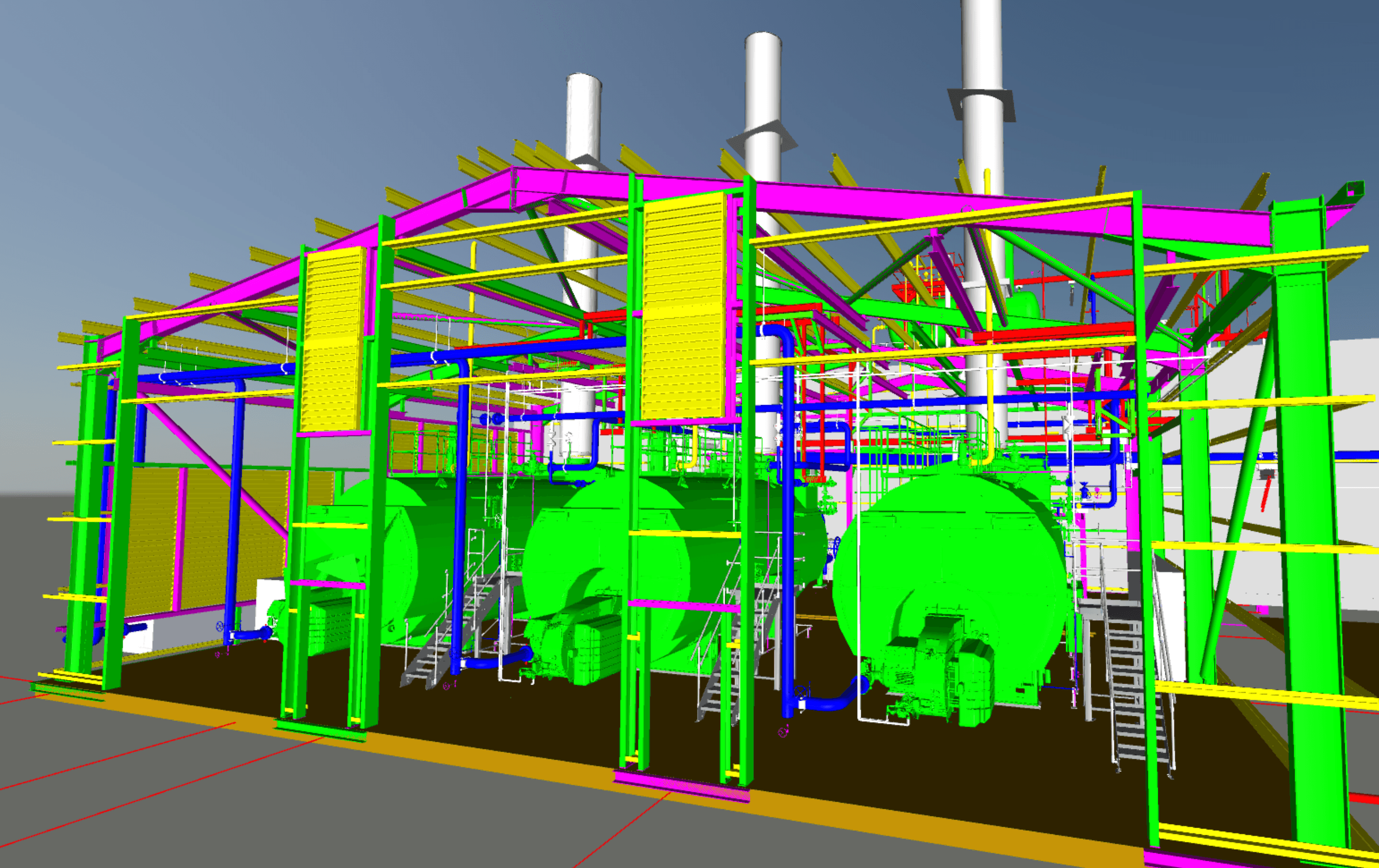
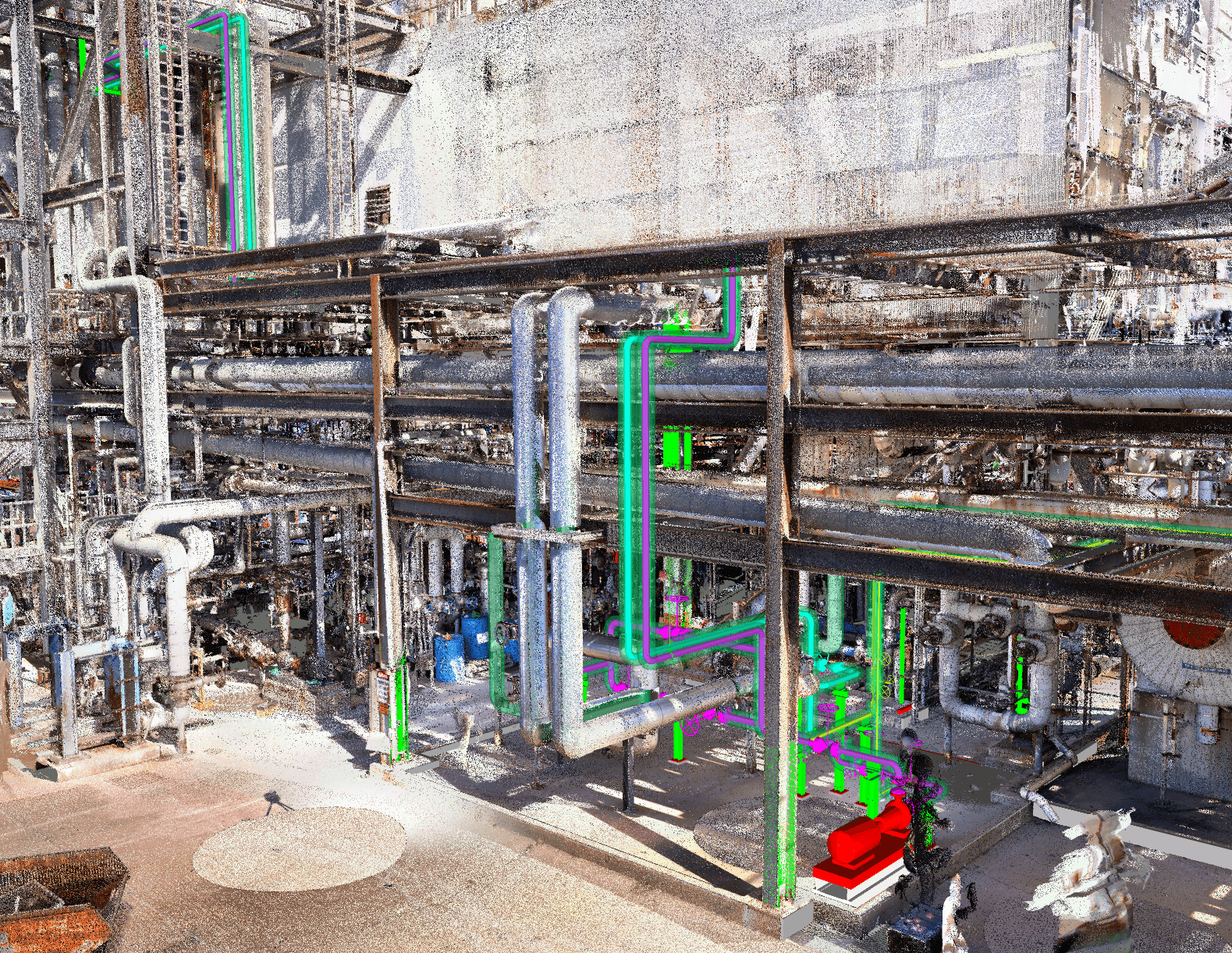
Bare and finned tube feedwater economizers recover heat from boiler flue gas (clean and ash-laden) to preheat feedwater, improving overall boiler efficiency. Tube material selection, fin geometry, and sootblower lane layout are engineered to match the fuel type, flue gas and ash composition, and fouling characteristics of each installation. ASME Section I design with fouling factor analysis ensures long-term, reliable performance and code compliance. Can be replacement economizers to fit into a fixed space or for new builds. In absence of drawings, we 3D laser scan the system to ensure proper fit up.
Scope of supply
- Bare or finned tube configurations
- Steaming and non-steaming designs
- Clean or ash-laden flue gases
- Multi-stage for SCR placement available
- Fouling analysis specific for the fuel ash
- ASME Section I (CRN & PED available)
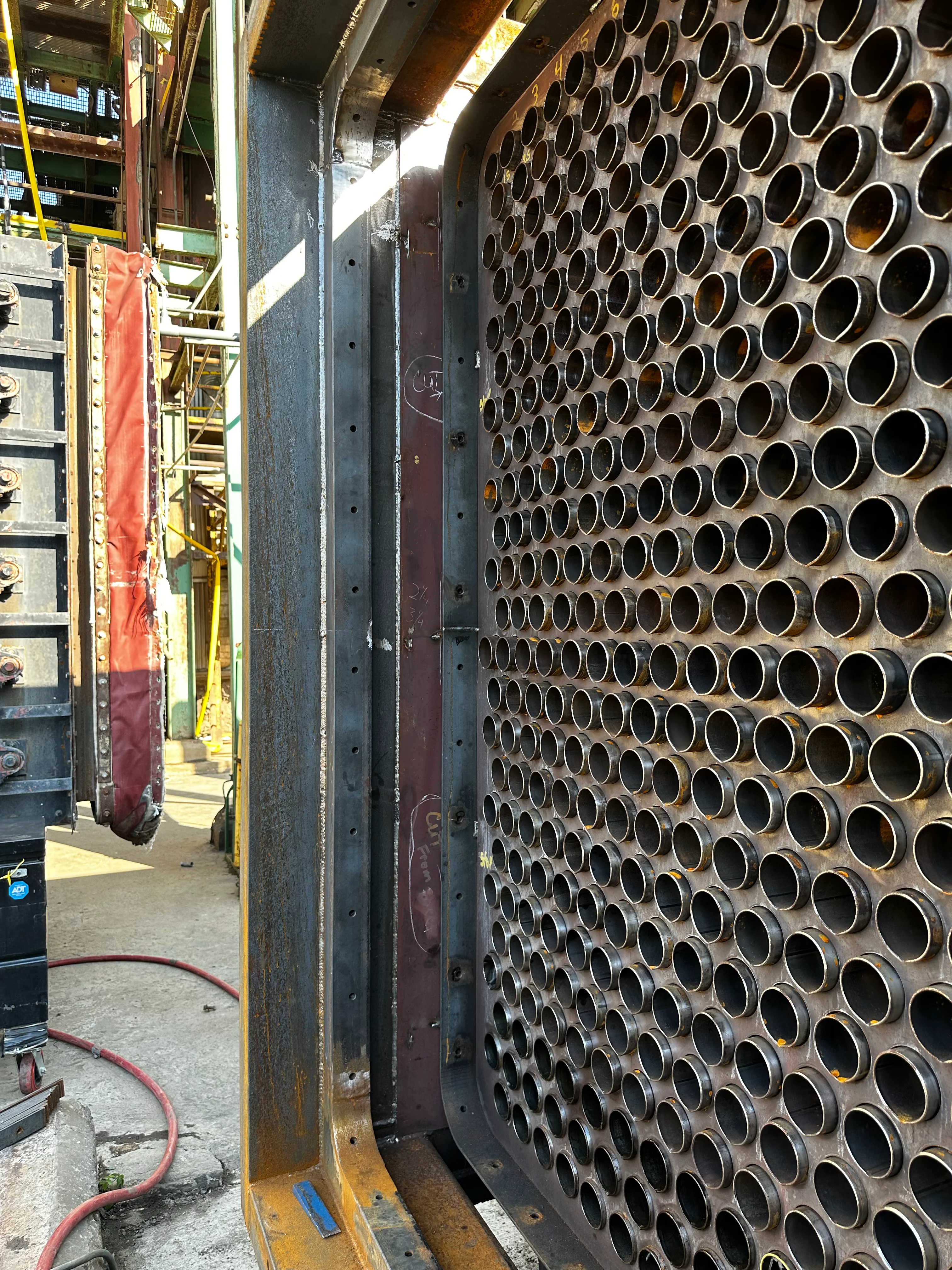
Tubular air preheaters indirectly heat combustion air (heat sink) by a heat source (usually flue gas but can also be steam or hot water). Cold-end corrosion is a primary design focus, particularly with high-moisture fuels, even with modest acid constituents in the fuel, where acidic condensation corrodes tube surfaces. Air heater bypass, air heater configuration, and material selection are engineered to balance heat recovery against corrosion issues.
Scope of supply
- Flue gas in or over the tubes (tube cleaning needs)
- Acid dewpoint analysis and tube material selection
- Bypass systems available supplied with control strategy
- High pressure air side designs available
- Actively cleaned (with sootblowers) design available
- Thermal efficiency weighed against system realities (acid dewpoint, fan static pressures, combustion requirements)
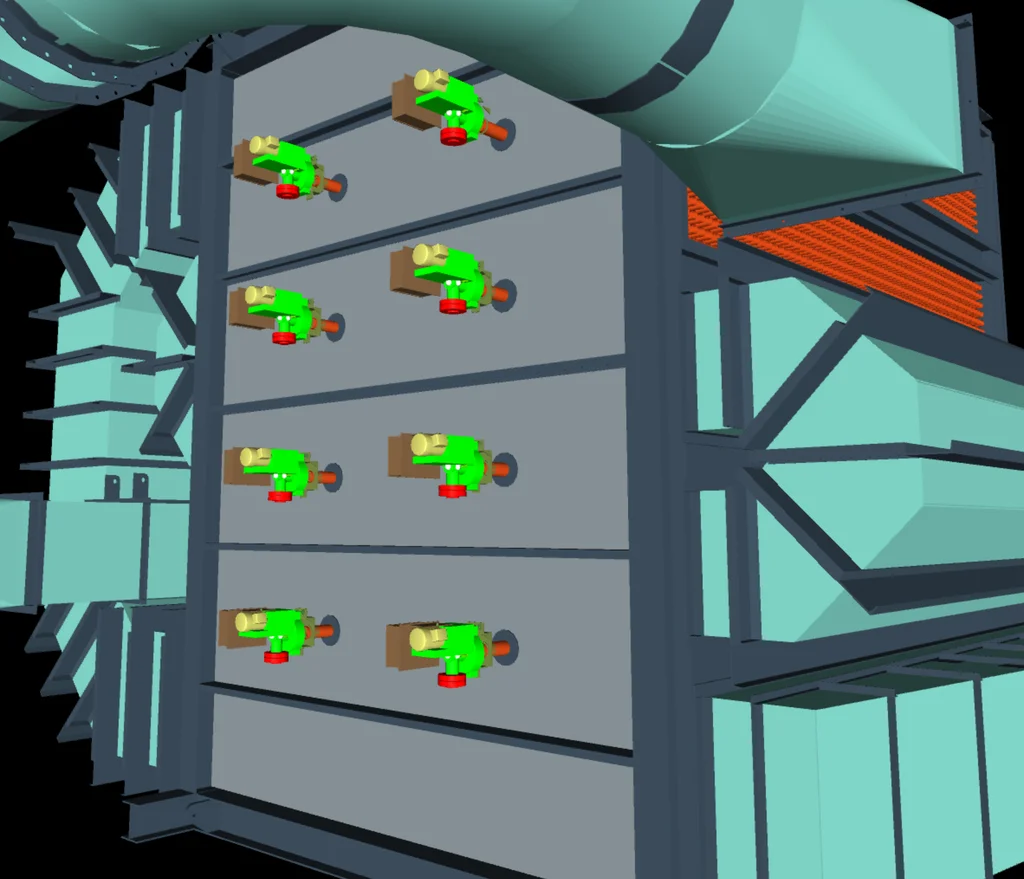
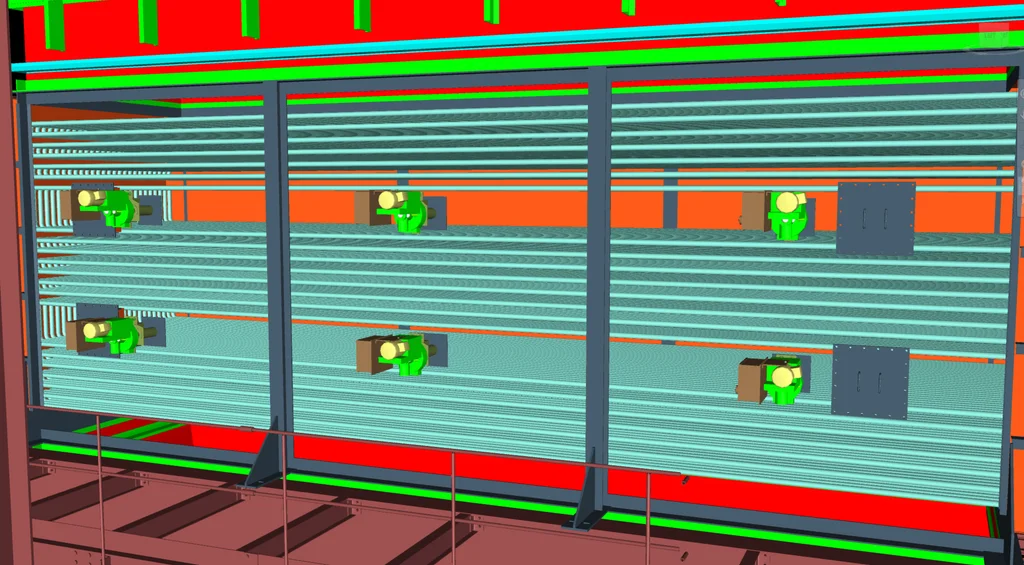
Superheaters and reheaters raise steam temperature above saturation for power generation and high-temperature process applications. Tube arrangement, header design, and material selection are driven by the required steam conditions, flue gas temperature profile, ash constituents, and allowable metal temperatures. ASME Section I governs wall thickness, ligament efficiency, and support design for both new builds and replacement projects.
Scope of supply
- Radiant, convection, and pendant tube arrangements
- Steam side flow balancing designs
- ASME Section I design
- Conservative tube metal selection and thicknesses (for upset conditions and fuel variability)
- Single or multi-stage designs - interstage attemperation
- New build, retrofit (improved design and/or increased performance), or like-for-like replacement
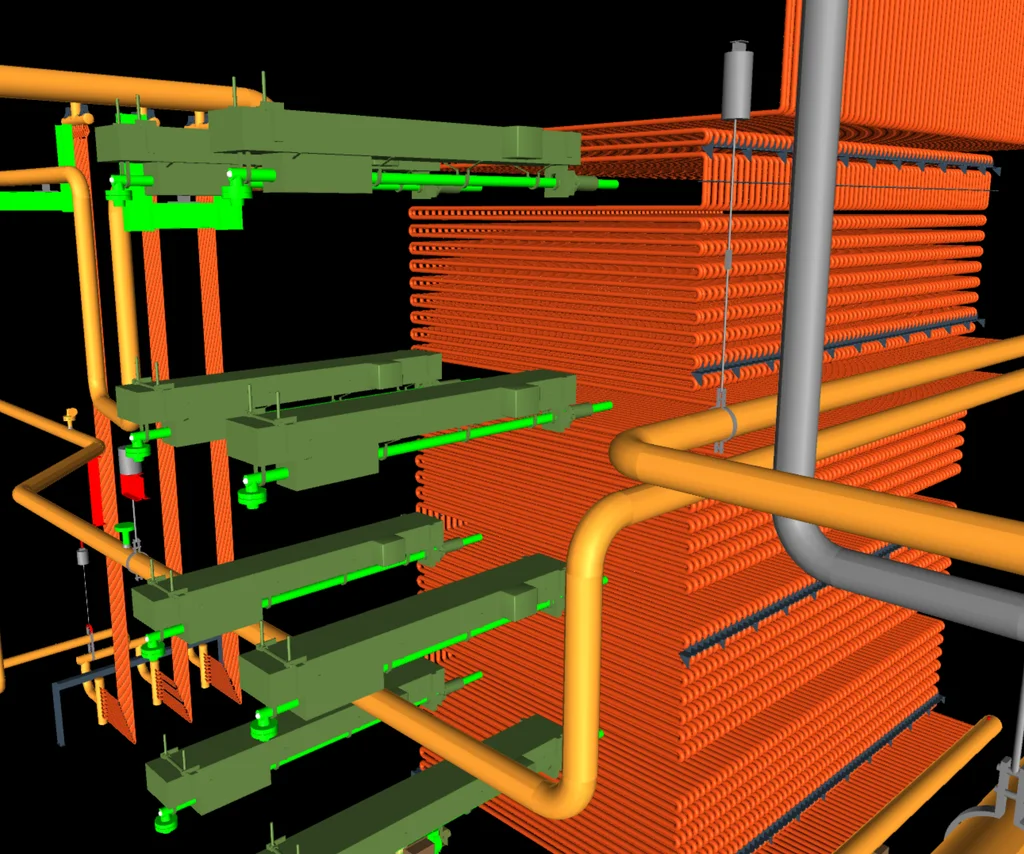
Custom TEMA-type shell and tube heat exchangers handle process heating, cooling, condensation, and vaporization duties for challenging bio-slurry applications, especially for hydrothermal carbonization reactors and recuperators. Tube material, baffle arrangement, and shell configuration are selected to optimize heat transfer while managing pressure drop, fouling, and mechanical integrity. Design follows ASME Section VIII Div. 1 and Div. 2.
Scope of supply
- TEMA-type exchanger configurations
- ASME Section VIII Div. 1 and Div. 2 design
- Tube material and baffle arrangement optimization
- Thermal rating and mechanical design
- Process heating, cooling, and condensation duties
- Fouling and corrosion analysis
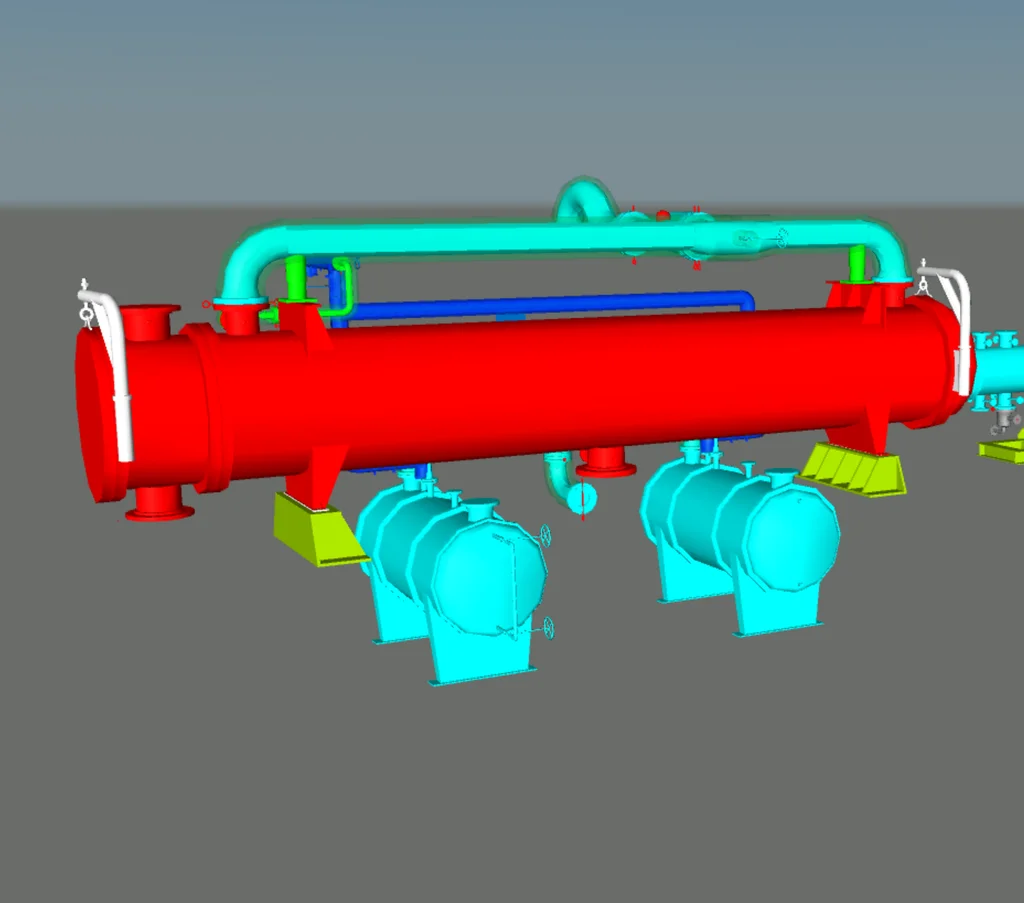
Heat recovery steam generators capture waste heat from gas turbines, reciprocating engines, and process exhaust streams to produce steam for power generation or process use. Each HRSG is sized to the exhaust gas temperature, mass flow, and composition of the heat source. Engineering covers preliminary sizing through detailed design, including drum sizing, evaporator circuit analysis, and supplemental firing evaluation for combined cycle, CHP, and waste heat recovery applications.
Scope of supply
- Combined cycle and CHP applications
- Waste heat recovery from turbines and process exhaust
- Drum sizing and evaporator circuit analysis
- Supplemental firing evaluation
- Flow distribution design through CFD
- Multi-pressure level configurations
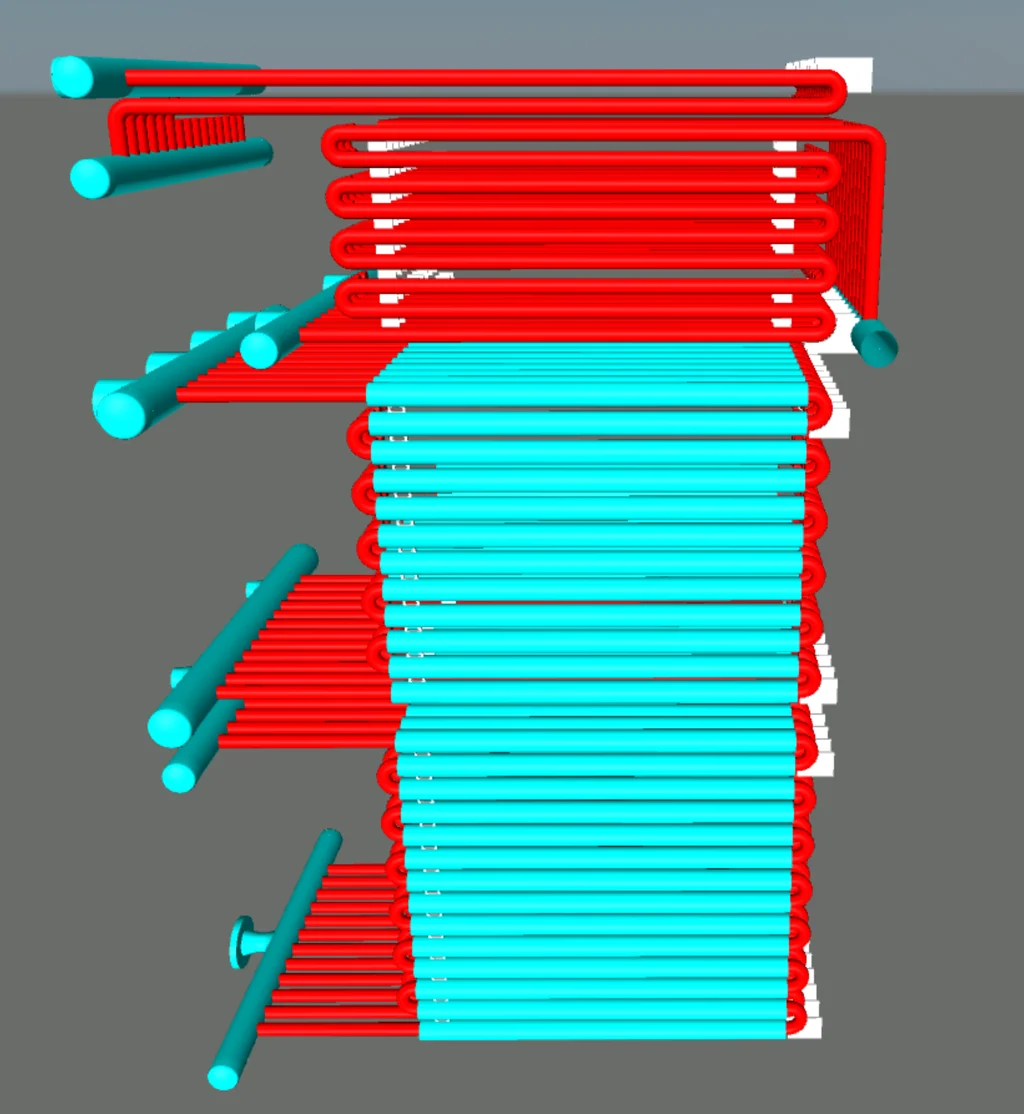
Process condensate and boiler blowdown systems contain valuable heat, but lower grade. Process condensate must be normalized before being returned to the deaerator, and this is normally done in an atmospheric flash tank. CPE designs Flash Steam Recovery systems that upcycle this heat and recover it back into the process, which allows for increased production, yield, reduced emissions, and/or reduced fuel costs. The flash steam is used in many possible ways, dependent on the specific process application (i.e. direct mixing for water heating, indirect heating of water or air, thermocompression, upcycling through heat pump applications, etc.).
Scope of supply
- Pinch analysis to confirm available heat sinks
- Technology options study to confirm most reliable and efficient solution (includes process steam traps sensitivity analysis)
- Fully integrated design with plant tie-points (through 3D laser scanning)
- Complete pressure vessel and process piping design and supply
- Automation and operator training (across operating scenarios)
- Complete packaged and skided systems
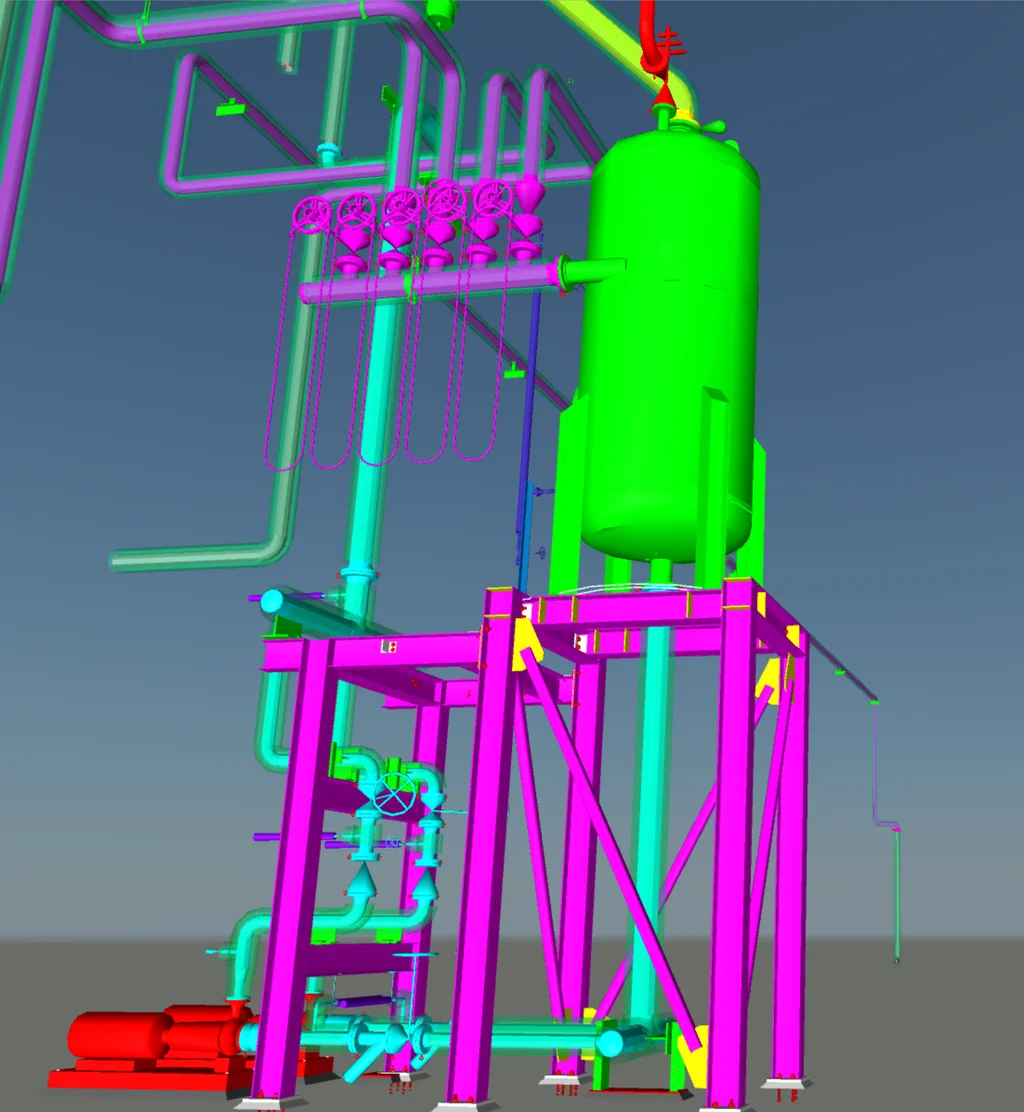
Bare and finned tube feedwater economizers recover heat from boiler flue gas (clean and ash-laden) to preheat feedwater, improving overall boiler efficiency. Tube material selection, fin geometry, and sootblower lane layout are engineered to match the fuel type, flue gas and ash composition, and fouling characteristics of each installation. ASME Section I design with fouling factor analysis ensures long-term, reliable performance and code compliance. Can be replacement economizers to fit into a fixed space or for new builds. In absence of drawings, we 3D laser scan the system to ensure proper fit up.
Scope of supply
- Bare or finned tube configurations
- Steaming and non-steaming designs
- Clean or ash-laden flue gases
- Multi-stage for SCR placement available
- Fouling analysis specific for the fuel ash
- ASME Section I (CRN & PED available)
Tubular air preheaters indirectly heat combustion air (heat sink) by a heat source (usually flue gas but can also be steam or hot water). Cold-end corrosion is a primary design focus, particularly with high-moisture fuels, even with modest acid constituents in the fuel, where acidic condensation corrodes tube surfaces. Air heater bypass, air heater configuration, and material selection are engineered to balance heat recovery against corrosion issues.
Scope of supply
- Flue gas in or over the tubes (tube cleaning needs)
- Acid dewpoint analysis and tube material selection
- Bypass systems available supplied with control strategy
- High pressure air side designs available
- Actively cleaned (with sootblowers) design available
- Thermal efficiency weighed against system realities (acid dewpoint, fan static pressures, combustion requirements)
Superheaters and reheaters raise steam temperature above saturation for power generation and high-temperature process applications. Tube arrangement, header design, and material selection are driven by the required steam conditions, flue gas temperature profile, ash constituents, and allowable metal temperatures. ASME Section I governs wall thickness, ligament efficiency, and support design for both new builds and replacement projects.
Scope of supply
- Radiant, convection, and pendant tube arrangements
- Steam side flow balancing designs
- ASME Section I design
- Conservative tube metal selection and thicknesses (for upset conditions and fuel variability)
- Single or multi-stage designs - interstage attemperation
- New build, retrofit (improved design and/or increased performance), or like-for-like replacement
Custom TEMA-type shell and tube heat exchangers handle process heating, cooling, condensation, and vaporization duties for challenging bio-slurry applications, especially for hydrothermal carbonization reactors and recuperators. Tube material, baffle arrangement, and shell configuration are selected to optimize heat transfer while managing pressure drop, fouling, and mechanical integrity. Design follows ASME Section VIII Div. 1 and Div. 2.
Scope of supply
- TEMA-type exchanger configurations
- ASME Section VIII Div. 1 and Div. 2 design
- Tube material and baffle arrangement optimization
- Thermal rating and mechanical design
- Process heating, cooling, and condensation duties
- Fouling and corrosion analysis
Heat recovery steam generators capture waste heat from gas turbines, reciprocating engines, and process exhaust streams to produce steam for power generation or process use. Each HRSG is sized to the exhaust gas temperature, mass flow, and composition of the heat source. Engineering covers preliminary sizing through detailed design, including drum sizing, evaporator circuit analysis, and supplemental firing evaluation for combined cycle, CHP, and waste heat recovery applications.
Scope of supply
- Combined cycle and CHP applications
- Waste heat recovery from turbines and process exhaust
- Drum sizing and evaporator circuit analysis
- Supplemental firing evaluation
- Flow distribution design through CFD
- Multi-pressure level configurations
Process condensate and boiler blowdown systems contain valuable heat, but lower grade. Process condensate must be normalized before being returned to the deaerator, and this is normally done in an atmospheric flash tank. CPE designs Flash Steam Recovery systems that upcycle this heat and recover it back into the process, which allows for increased production, yield, reduced emissions, and/or reduced fuel costs. The flash steam is used in many possible ways, dependent on the specific process application (i.e. direct mixing for water heating, indirect heating of water or air, thermocompression, upcycling through heat pump applications, etc.).
Scope of supply
- Pinch analysis to confirm available heat sinks
- Technology options study to confirm most reliable and efficient solution (includes process steam traps sensitivity analysis)
- Fully integrated design with plant tie-points (through 3D laser scanning)
- Complete pressure vessel and process piping design and supply
- Automation and operator training (across operating scenarios)
- Complete packaged and skided systems
PROJECT EXAMPLES
Heat transfer engineering
project examples
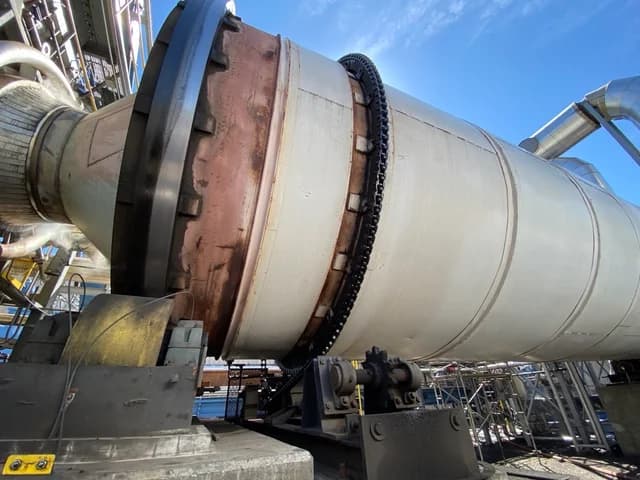
Debottlenecking
Biochar Facility Debottlenecking & Capacity Expansion
A comprehensive pyrolysis yield analysis with heat and mass balance to identify process and equipment constraints and engineer a path for tripling biochar production capacity.
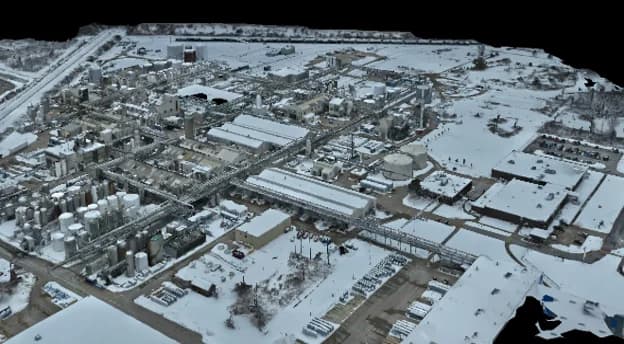
Energy Audits
Comprehensive Energy Audit Identifies Major Fuel-Savings Opportunities at a Specialty Chemicals Plant
CPE evaluated interconnected boiler, steam, condensate, and waste heat systems at a specialty chemicals facility, identifying 17 MMBtu/hr in potential natural gas savings and developing actionable strategies for thermal-efficiency and GHG-reduction projects.
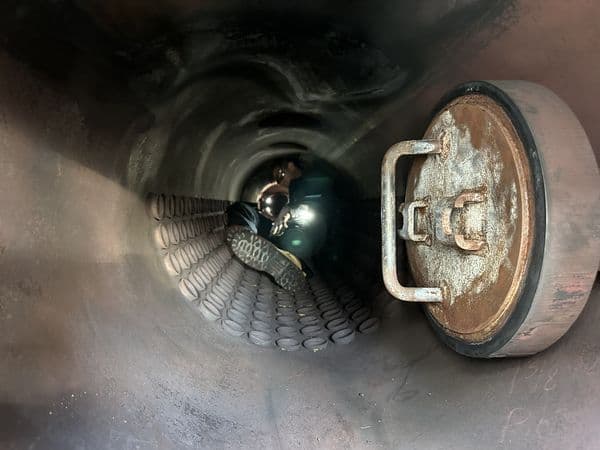
Root-Cause Investigation
Steam contamination pathway traced to source
Multiple contamination pathways identified across the steam and condensate systems. However, the primary driver for the issue was galvanic corrosion in galvanized piping downstream of an RO system. Corrective actions and appropriate metallurgies were identified and deployed.
THE CPE DIFFERENCE
Engineers who size, specify,
and troubleshoot this equipment
CPE's engineers design, troubleshoot, and optimize the boiler, steam, and process systems where this equipment operates. That domain knowledge shows up in material selections, system automations, operating envelopes, and arrangement decisions.
ASME code depth
Section I, Section VIII, B31.1, B31.3 designs
Thermal analysis expertise
Heat and mass balance, heat transfer, fluid dynamics, fouling factor analysis, steam/water chemistry analysis, CFD for flow distribution, and FEA for thermal stress - applied to heat transfer equipment decisions.
Full equipment lifecycle
From preliminary sizing studies through FEED, detailed design, fabrication support, field performance verification, and asset integrity evaluation.
Industry breadth
Refineries, pulp and paper, sugar, food and beverage, chemical processing, power generation, ethanol, edible oils, and more - CPE designs complete systems bespoke for each application.
Have a heat transfer
question?
Tell us about your equipment and we will let you know how CPE can help.
OUR SERVICES
Engineering Depth Across the Project Lifecycle
From initial assessment through construction-ready deliverables - boilers, combustion systems, steam and condensate, emissions control, and energy infrastructure.